
Before someone reads your About page, studies your services, or fills out your contact form, they’ve probably already formed an impression of your business.
A big part of that impression comes from what they see.
Photography can communicate professionalism, personality, culture, and even what it might feel like to work with your company. For service-based businesses in particular, the people behind the business are often a big part of what you’re selling. The right photos help potential customers see those people and begin making a connection before a conversation ever takes place.
To dig deeper into the role photography plays in branding, we sat down with Lauren Kreibich of Lauren Kreibich Photography. Lauren specializes in personal branding and professional headshots, so we combined her perspective behind the camera with our perspective at Paragon Marketing Group on branding, websites, design, video, advertising, and strategy.
A Good Photo Isn’t Always a Good Brand Photo
There’s a difference between taking a beautiful photo and creating an image that actually represents a business.
A strong brand photo should feel like it belongs alongside everything else the business is putting into the world. That means thinking about details such as colors, backgrounds, locations, clothing, level of formality, and the overall personality of the image.
Is your business polished and professional? Relaxed and approachable? Bold and energetic? Warm and personal?
Your photography should reinforce that.
The same is true for your website design, copy, graphics, video, and other marketing materials. When those elements are created independently without a larger strategy behind them, even individually great pieces can feel disconnected. Building a strong brand identity means creating consistency across the different places customers interact with your business.
That’s why preparing for a brand photoshoot should begin before anyone picks up a camera. Businesses should have an understanding of who they want to reach, their values, how they want customers to perceive them, their visual brand, and how the finished images will actually be used. Lauren takes a similar approach to personal branding photography, beginning with the business, its ideal clients, marketing strategy, and brand personality before planning the session.
The goal isn’t simply to walk away with good photos. It’s to walk away with your photos.


Professional Photography or DIY? There’s Room for Both
Professional photography doesn’t mean every image your business shares needs to come from a professional photoshoot.
In fact, there’s a place for both.
Your website, employee headshots, printed marketing materials, LinkedIn presence, advertisements, and other long-term pieces of your marketing are places where professional photography can make a significant difference. These are often the images people will encounter repeatedly and the ones most closely associated with your brand.
Social media gives businesses more freedom.
Behind-the-scenes photos, Stories, quick updates, events, and everyday moments don’t always need professional production. Those images can actually help show another side of your company and make your content feel more immediate and personal.
The key is making sure the two don’t contradict one another. Even DIY content should have some basic guidelines so that the personality and image you’re presenting still make sense alongside your professional brand.
Don’t Build a Great Website and Fill It With Bad Photos
One mistake we see often is a business investing in its marketing while treating photography as an afterthought.
You can have a professionally designed website, strong messaging, and a great visual identity, but poor-quality or obviously generic stock photography can immediately change how the finished product feels.
Outdated photography can create a similar problem.
If your headshot is several years old, your team has changed, your office looks completely different, or your business has grown significantly, your photography may be telling an outdated version of your story.
Think of it a little like online dating. If the person who shows up looks nothing like the profile you’ve been looking at, you’re probably going to have some questions.
Your business isn’t all that different.
Customers shouldn’t meet you, visit your location, or begin working with your team and feel like they encountered a completely different company from the one they saw online.
Authentic photography helps make the transition from seeing your business to experiencing it feel natural.

Show the People Behind the Logo
Think about the last time you made an important purchase or hired a company for a service. Did you choose the first business you encountered, or did youThat authenticity has become even more important as AI-generated content becomes increasingly realistic.
Businesses have more ways than ever to create polished imagery without ever stepping in front of a camera. But just because an image looks real doesn’t mean it creates a real connection.
For many businesses, especially service-based companies, customers aren’t simply choosing a product. They’re choosing people.
Showing the actual faces behind your company can help potential customers understand who they’ll be talking to, meeting with, or trusting to do the work. Intentional brand photography can give someone a sense of your personality and what it might be like to work with you before they ever pick up the phone.
That can help build trust, but it can also help attract the right customers.
If your photography accurately represents your personality and your company, the people who connect with that are more likely to be a good fit when they reach out.
AI also raises another branding question: Does what you’re presenting align with your values?
If you’re using an AI-generated version of yourself or your business but wouldn’t feel comfortable telling a customer that the image was created with AI, it may be worth asking why. Credibility isn’t just about how professional your marketing looks. It’s also about whether what you’re presenting feels true to the company behind it.


Plan Your Photos for More Than One Place
A good brand photoshoot shouldn’t only produce a handful of images for your website.
Before the shoot, think about everywhere you may need photography:
- Website pages
- Social media
- Digital advertising
- Email marketing
- Google Business Profile
- Print materials
- Recruiting
- Magazine or media features
- Signage, vehicle wraps, or billboards
Knowing those needs ahead of time can change how a photographer approaches the shoot.
For example, an image with negative space can give a designer room to add copy for an advertisement or website banner. Capturing wider compositions can allow one image to be cropped horizontally for a website and vertically for social media. Large-format print applications require high-resolution files that can hold up when they’re dramatically enlarged.
Variety matters too. Using the same three photos everywhere gets old quickly, no matter how great those photos are.
The photographer and marketing team should both be thinking beyond the individual image and asking: Where will this live, and what does it need to do there?
This is also where photography and a broader marketing strategy should work together. Knowing which channels you’re using and what you need to communicate on each one helps make sure your photos aren’t just beautiful files sitting in a folder.
Photography Is One Piece of the Bigger Brand
Photography becomes even more powerful when it works alongside the other pieces of your marketing.
Your photos, graphic design, website, copy, and video shouldn’t feel like they came from five different companies.
That doesn’t mean everything needs to look identical. It means the personality should carry through.
If your photography is playful and approachable, your video shouldn’t suddenly feel stiff and overly corporate. If your brand is refined and professional, your graphics should reinforce that same feeling.
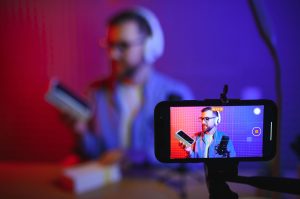
Video can be particularly powerful alongside brand photography because it takes the personality captured in a still image and brings it to life. You can hear someone’s voice, see how they interact, and tell a deeper story.
Different mediums do different jobs, but they should all be telling the same story.
You Don’t Have to Figure It Out Alone
Planning a brand photoshoot can sound like a lot.
What should you wear? Where should you shoot? What kinds of photos do you need? How are you going to use them? What will actually look right with your brand?
Lauren’s biggest takeaway for businesses is that you don’t have to figure all of that out by yourself.
A good brand photographer should help guide you through the process, understand what you’re trying to accomplish, and create images with a purpose beyond simply looking good. Lauren’s branding photography process is designed around that idea, from understanding the business and its goals to planning the session and selecting images that can work across marketing platforms.
The same is true of marketing as a whole. The strongest results tend to come when strategy happens before execution and the people creating the different pieces understand how their work fits together.
Professional photography is an investment, but when the resulting images can support your website, social media, advertising, print materials, recruiting, and more, it’s an investment that can continue working for your business long after the photoshoot is over.
If it’s been a while since you’ve taken a good look at your brand photography, pull up your website and social profiles and look at them through the eyes of someone discovering your business for the first time.
Do the photos they see represent the business you are today?
If the answer is no, Lauren Kreibich Photography can help you create professional brand photography and headshots that better represent the people behind your business.
And if the bigger picture of your brand and marketing could use some attention, Paragon Marketing Group can help bring all of those pieces together.